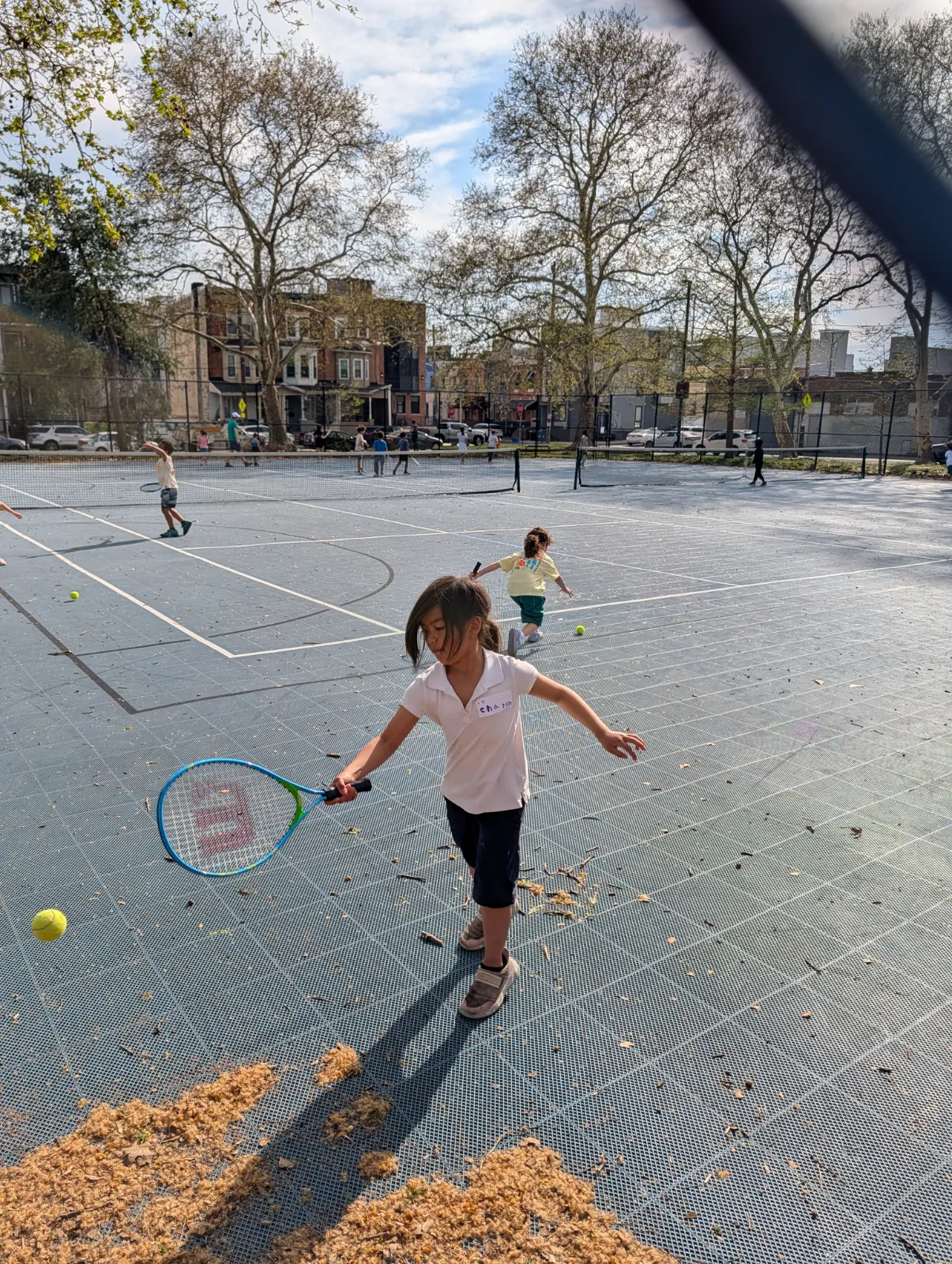
The bottom line: Six years old is a great age to start tennis camp, but only if you walk in with realistic expectations. Your kid is not coming out of a 4-week community camp serving aces. They are coming out with better footwork, an understanding of the rules, some muscle memory, and (hopefully) a genuine interest in picking up a racket again. That alone is worth it.
We enrolled Charlotte in two different tennis camps this spring: one community-driven program near Point Breeze and one through a local community center. The contrast between them taught us as much about what to look for in a camp as the camps taught Charlotte about tennis.
Two Camps, Two Very Different Experiences
Philly has surprisingly accessible tennis programming if you know where to look. One of Charlotte's camps is a free, community-driven program run by the Point Breeze Collective with two volunteer coaches. The other is a 4-week session through a community center, funded by city grants, which brings the cost down to about $25 for the entire month. That's twice a week, Tuesdays and Thursdays. Both are incredible values, and both prove that you don't need to spend hundreds of dollars to get your kid on a court.
But not all camps are the same, and that became obvious fast.
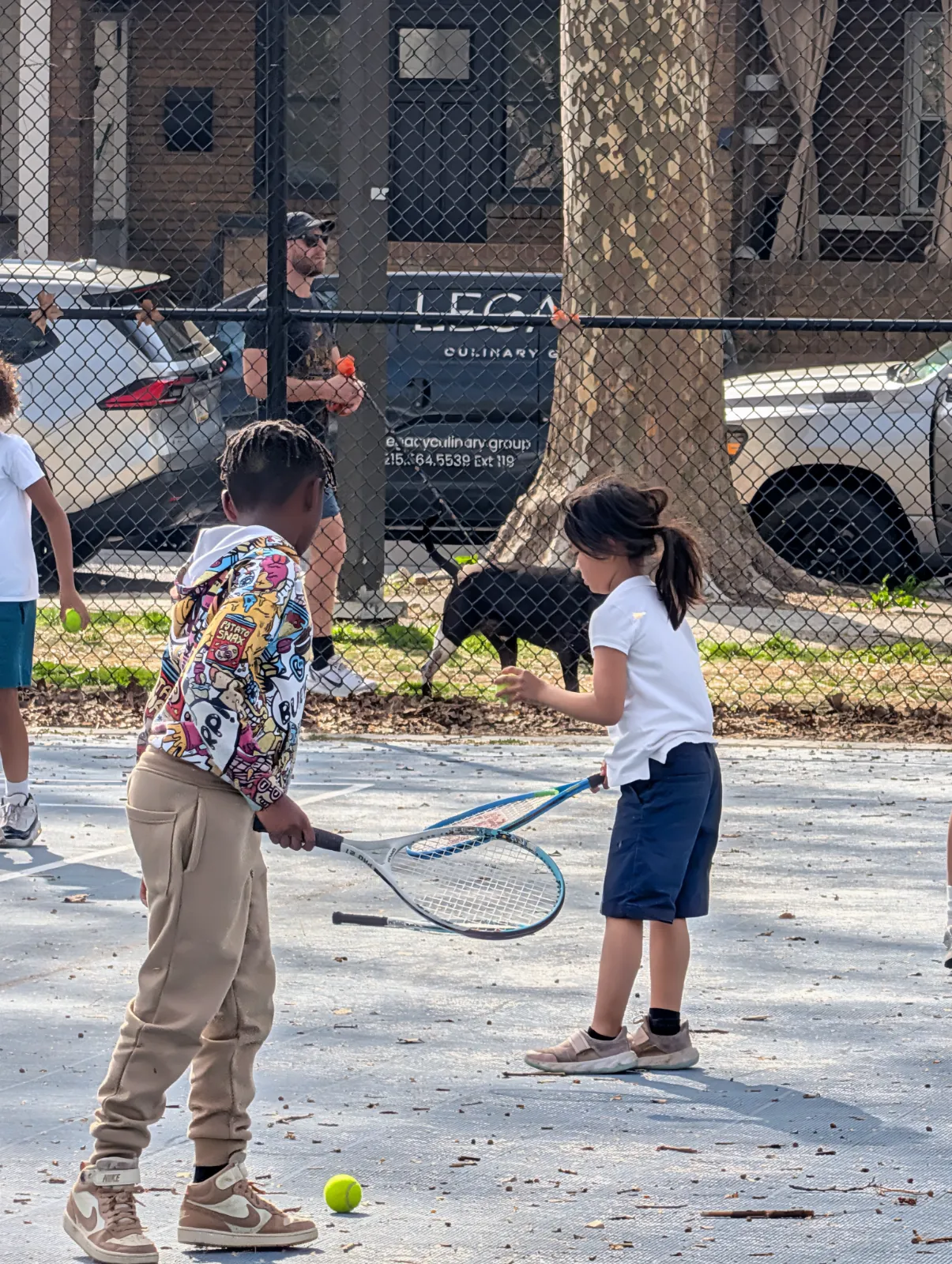
The community center camp is a red ball camp: smaller court, lighter balls, focused on drills and footwork. It runs with one instructor separating kids by age group, and honestly, it felt a little chaotic. With that many kids and one coach, structure is hard to maintain, and Charlotte would get frustrated chasing balls because other kids just wanted to wail at them as hard as possible.
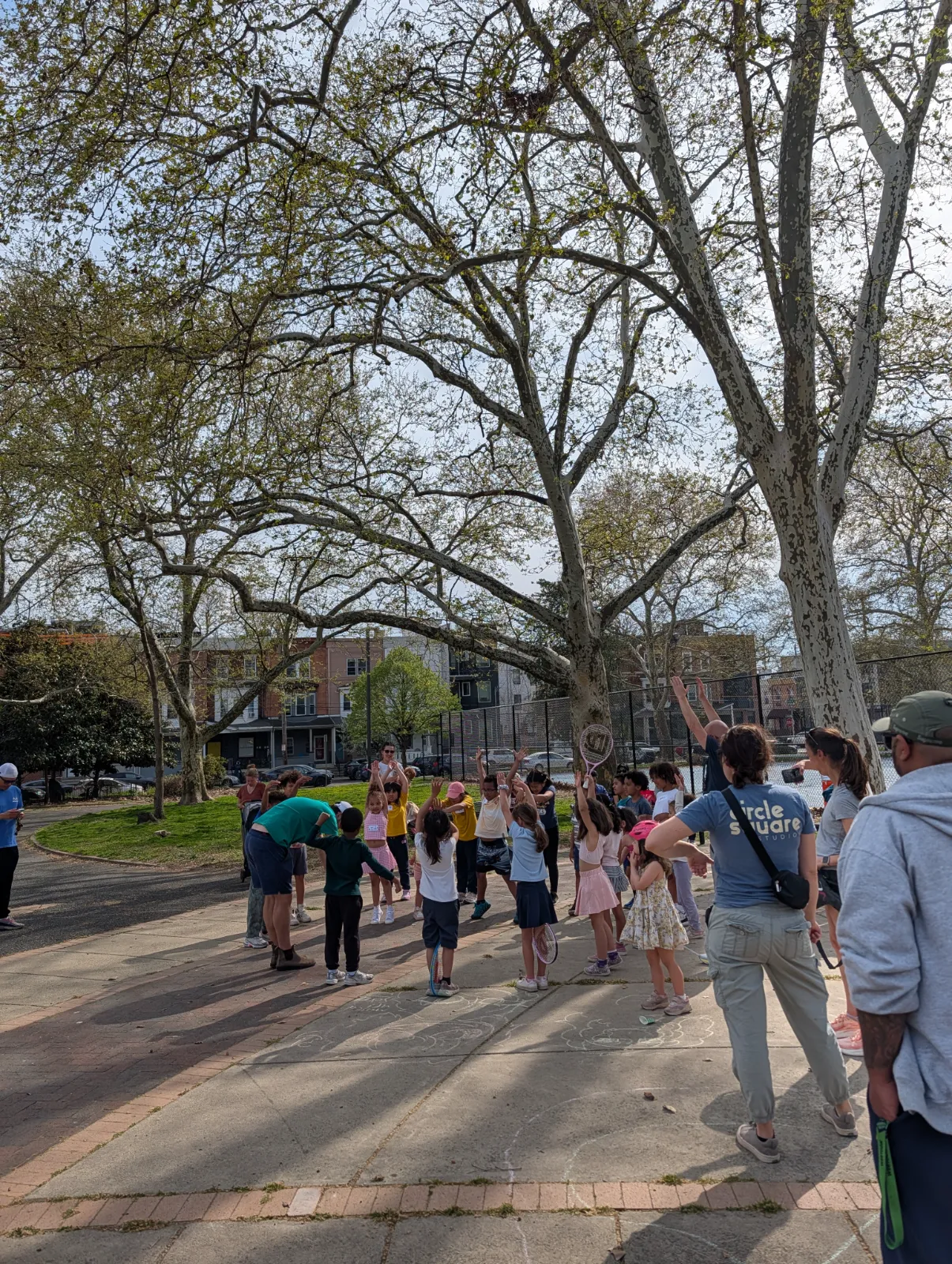
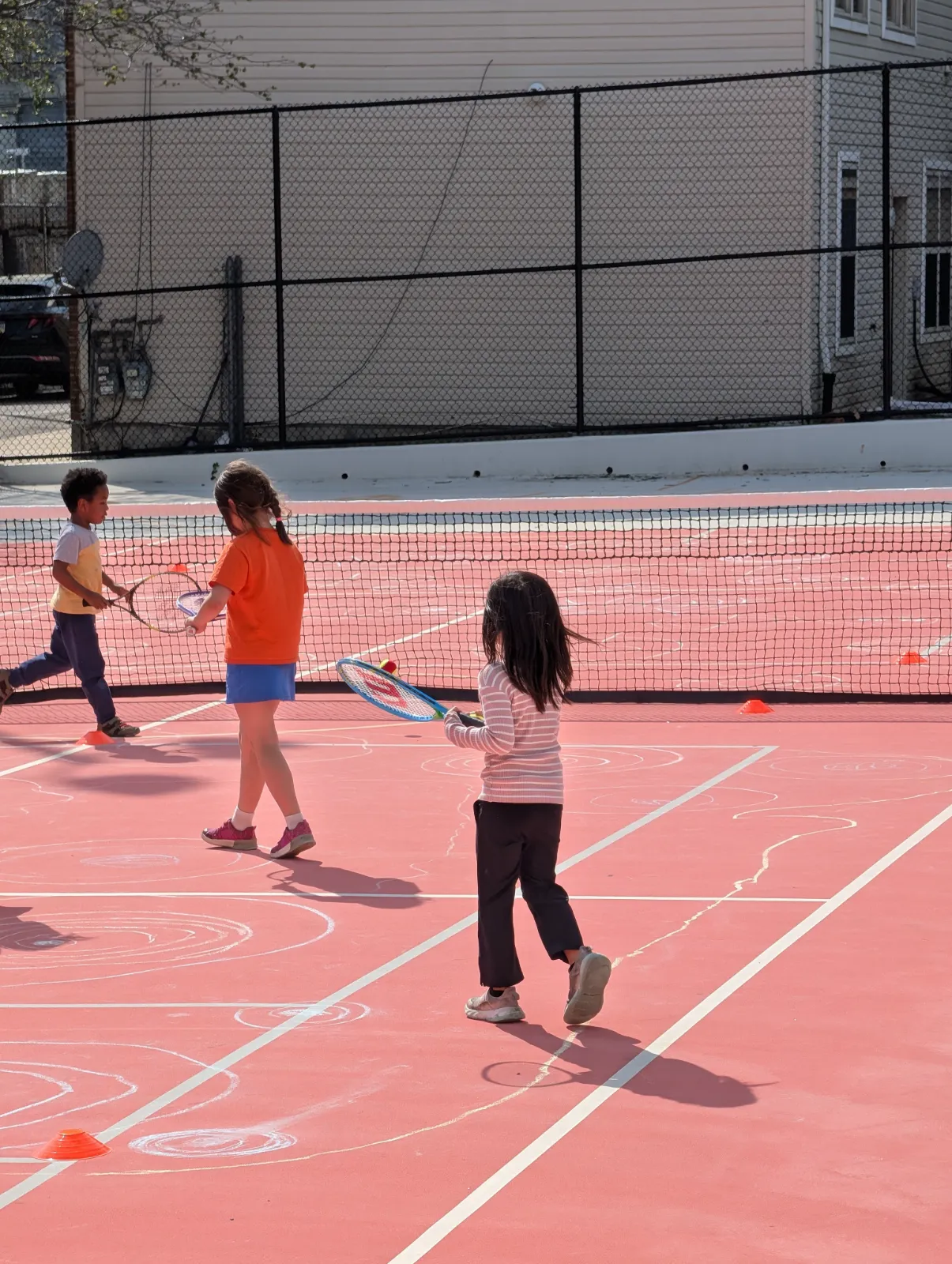
The Point Breeze program, on the other hand, has two coaches who split kids by age range. The older kids focus on hitting and rally technique while the younger ones work on footwork, court awareness, and games like King of the Court and tag. Charlotte loved that flexibility. She could bounce between hitting drills and the game-based group depending on her mood. At 6, she's in this in-between spot where she wants to actually hit the ball and play the fun games, and having both options available made a huge difference in her engagement.
Quality of Instruction Matters More Than You Think
This sounds obvious, but it's not obvious until you observe your kid in the first week or two. Charlotte is way more engaged in her larger camp (the one with 10x the number of kids) because the instructors are well-organized, easy to follow, and genuinely make it fun. The structure is clear: drills have a purpose, transitions between activities are smooth, and the coaches keep energy high.
Her other camp is more of a free-for-all. Some of the kids clearly don't want to be there, and nothing frustrates Charlotte more than having to chase down balls because another kid decided to smash it as hard as they can with zero regard for where it goes. That kind of environment makes it harder for kids who actually want to learn.
The takeaway: if you're going to commit to a tennis camp, try to observe a session first or find one that offers a trial. The instructor's ability to keep things structured and fun is what determines whether your kid comes home excited or dreading the next session.
The Racket Question
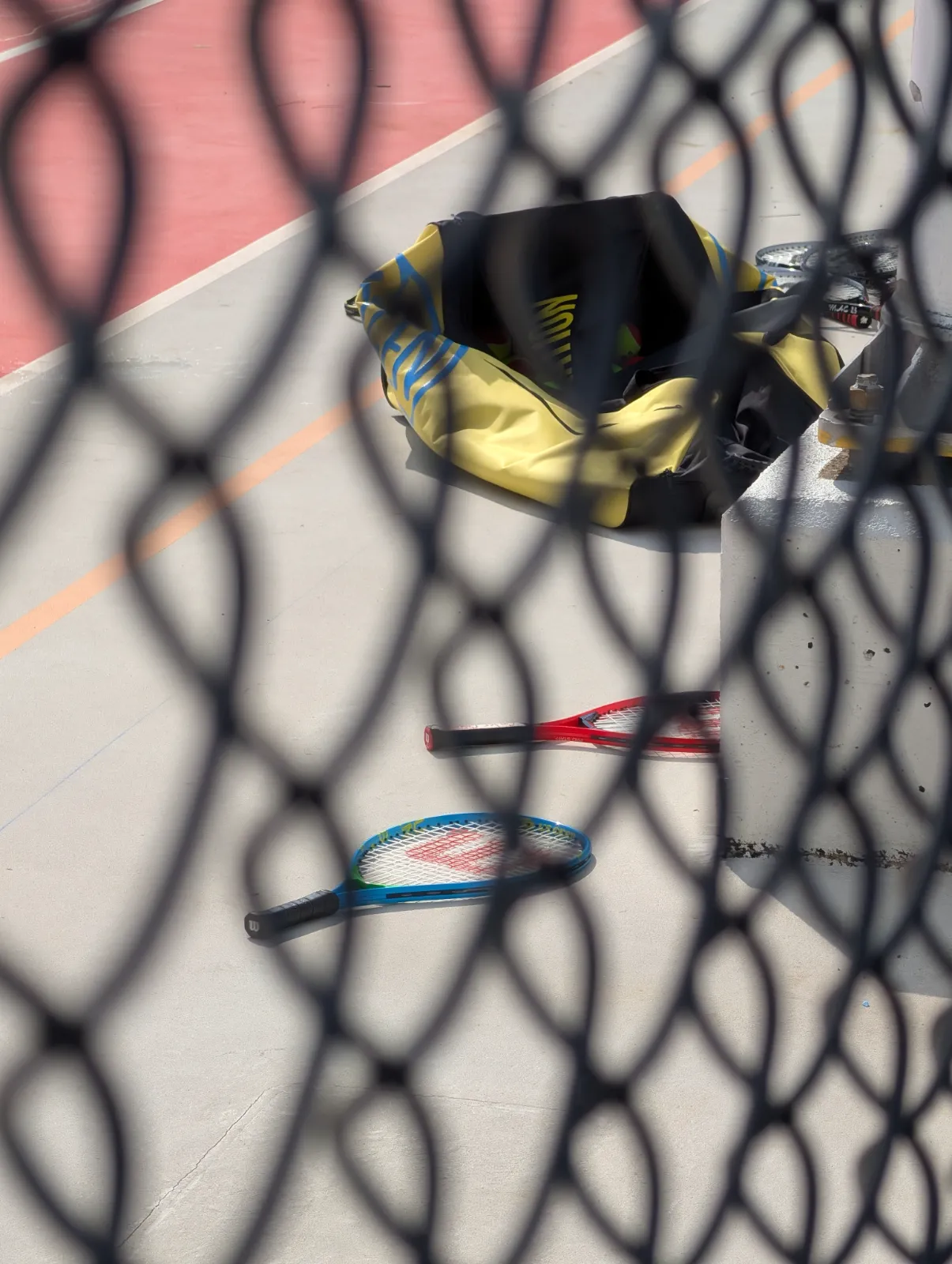
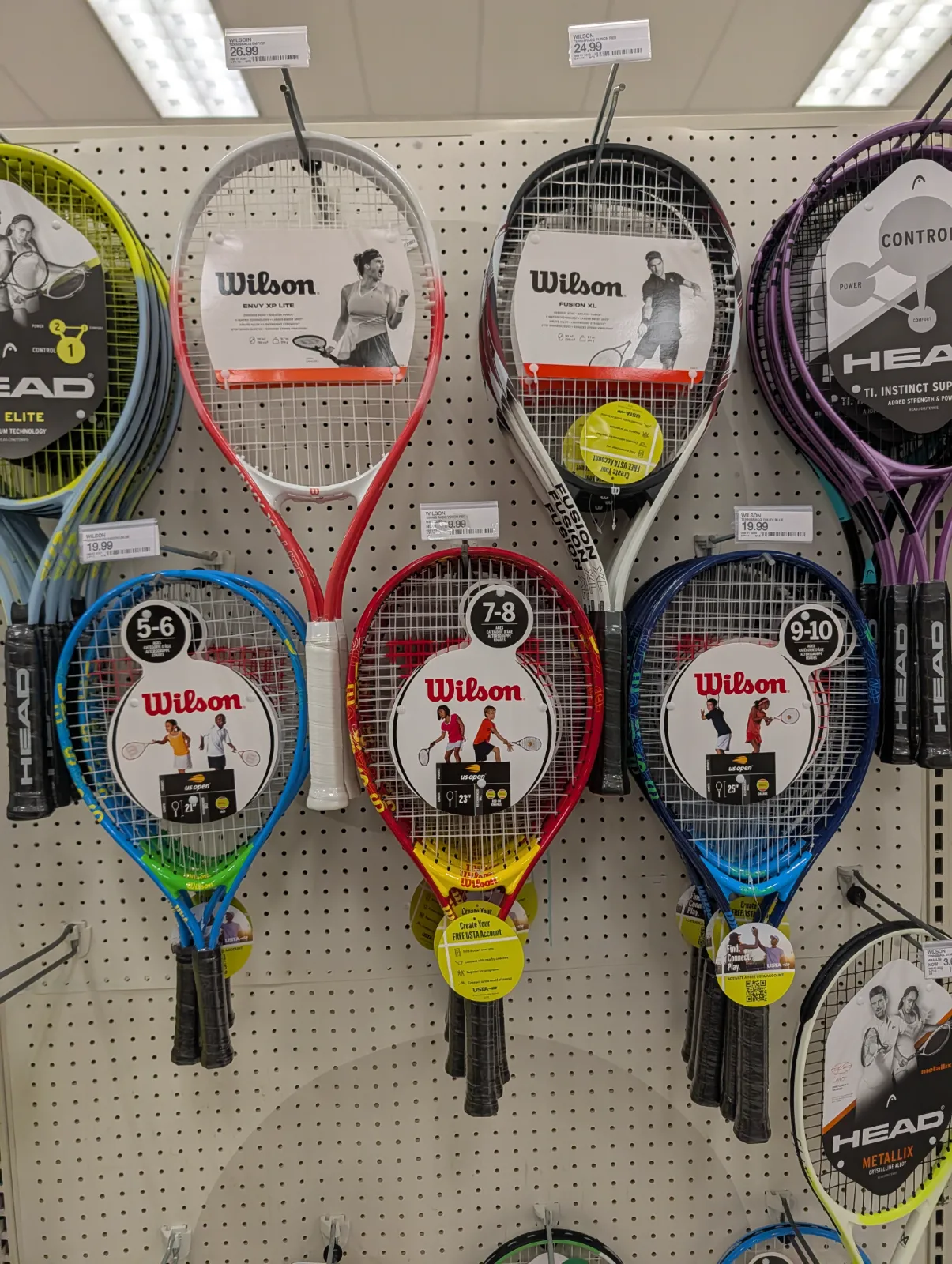
You don't need to buy your own racket. Most community camps have loaners available. But here's the reality: loaner rackets are usually donated adult rackets that are too heavy, poorly balanced, and the wrong size for a 6-year-old. Tennis is a sport where bad habits form fast, and swinging a heavy, oversized racket isn't doing your kid any favors when it comes to learning proper technique.
Is it the end of the world? No. But for $25, we think it's worth getting a properly sized racket that's light enough for them to learn correct form and find the sweet spot consistently. Switching between different rackets at different camps also confused Charlotte. Having her own that she brought everywhere made things more consistent.
We went with the Wilson US Open Junior racket in the 21-inch size. It's apparently the standard racket used at Wilson camps for kids. The head is slightly larger and more forgiving, the weight is balanced well for small hands, and it emphasizes control over power. A 21-inch is a solid starting point for a 6-year-old, and even sizing up to a 23 would work. If anything, the smaller racket teaches better technique.
This post contains affiliate links. If you make a purchase through these links, we may earn a small commission at no extra cost to you.
Wilson US Open Jr 23 Tennis Racket
The standard racket used at Wilson camps for kids. Balanced, lightweight, and forgiving — a great first racket for ages 5-7.
$24.49
Shop Now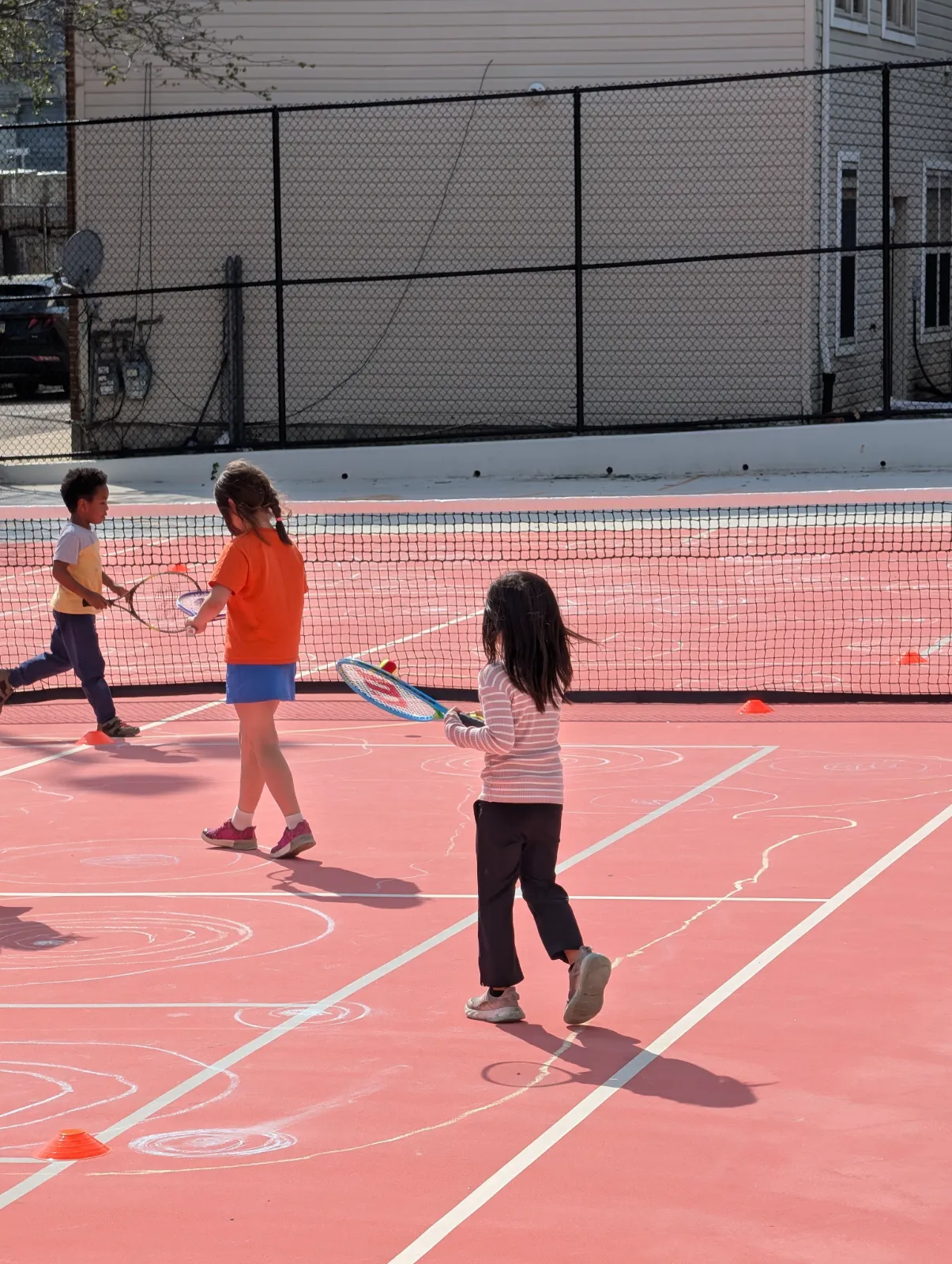
What the Kids Actually Do at Camp
A lot of parents picture tennis camp as kids rallying back and forth across the net. That's... not what happens at this age. Most of the time is spent on fundamentals and drills, which can honestly bore some kids. Things like bouncing the ball on the racket face, gently rolling the ball to a partner using the top of the racket, bouncing the ball once on the other side of the court using only hands. It's all building coordination, but it doesn't feel like tennis to a kid who just wants to smash the ball.
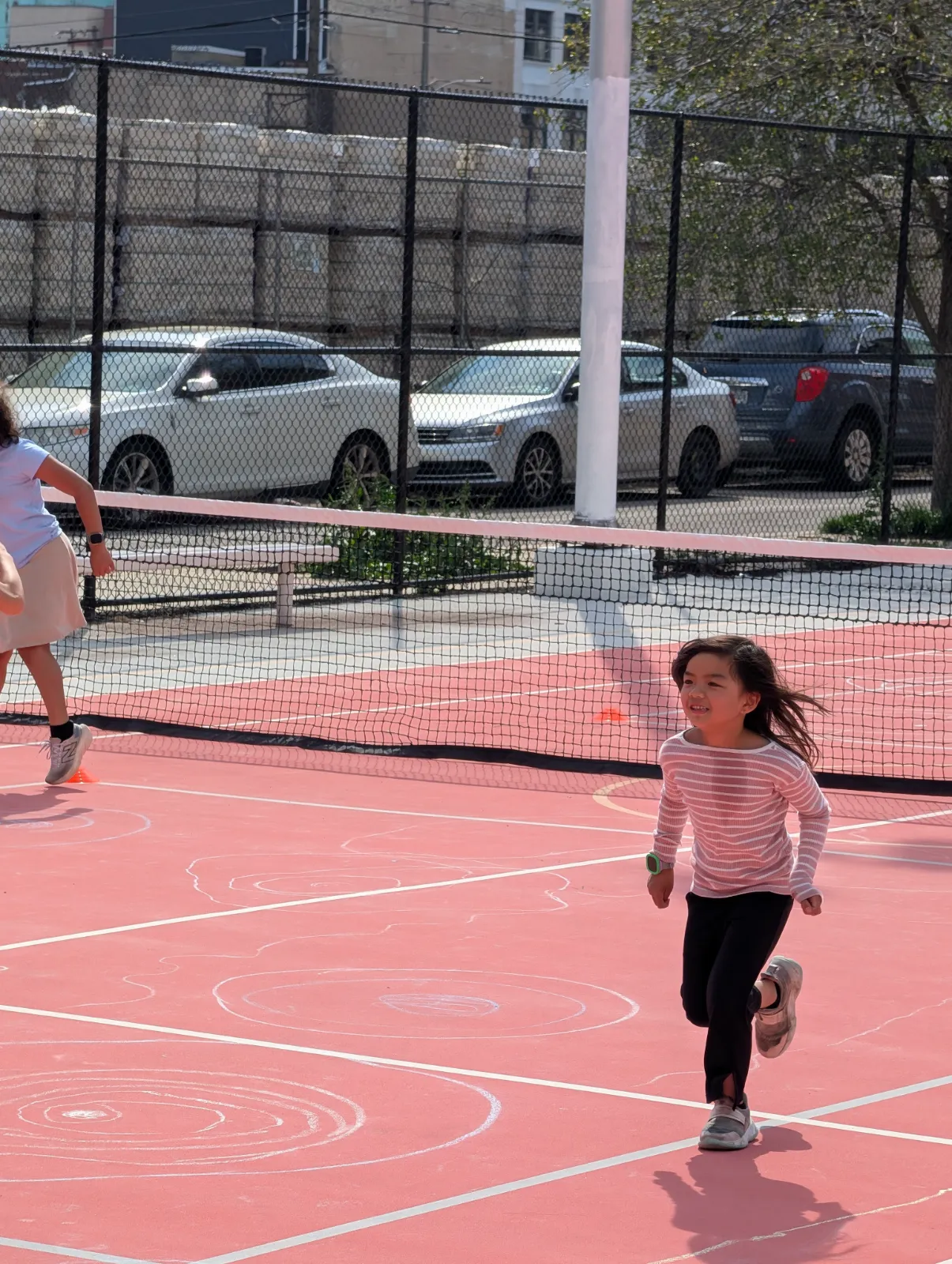
The bigger camps do a better job masking drills as games. At the Point Breeze program (which had probably 60 kids on a good day), we saw a shark-and-tag game where kids had to dodge the 'shark,' and a King of the Hill variation that played like volleyball with tennis rules. If the ball bounces more than once, you're out. The kids loved those. It's a smart way to build court awareness without it feeling like homework.
The Ball Situation: Red, Orange, or Green?
Tennis balls for kids come in different stages: red (slowest, least bounce), orange (medium), and green (closest to a regular ball). Charlotte's community center camp uses red balls, which are more weighted and easier to control on a smaller court.
A friend whose kid has been in tennis camps for years had an interesting tip: skip straight to green balls if your kid has decent hand control. Her reasoning is that transitioning between ball types can be confusing, and green balls behave more like real tennis balls while still being slightly lower-compression. That said, it depends on your kid. If your child's instinct is to smash every ball as hard as possible (which, let's be honest, describes a lot of 6-year-olds), red balls are the safer starting point.
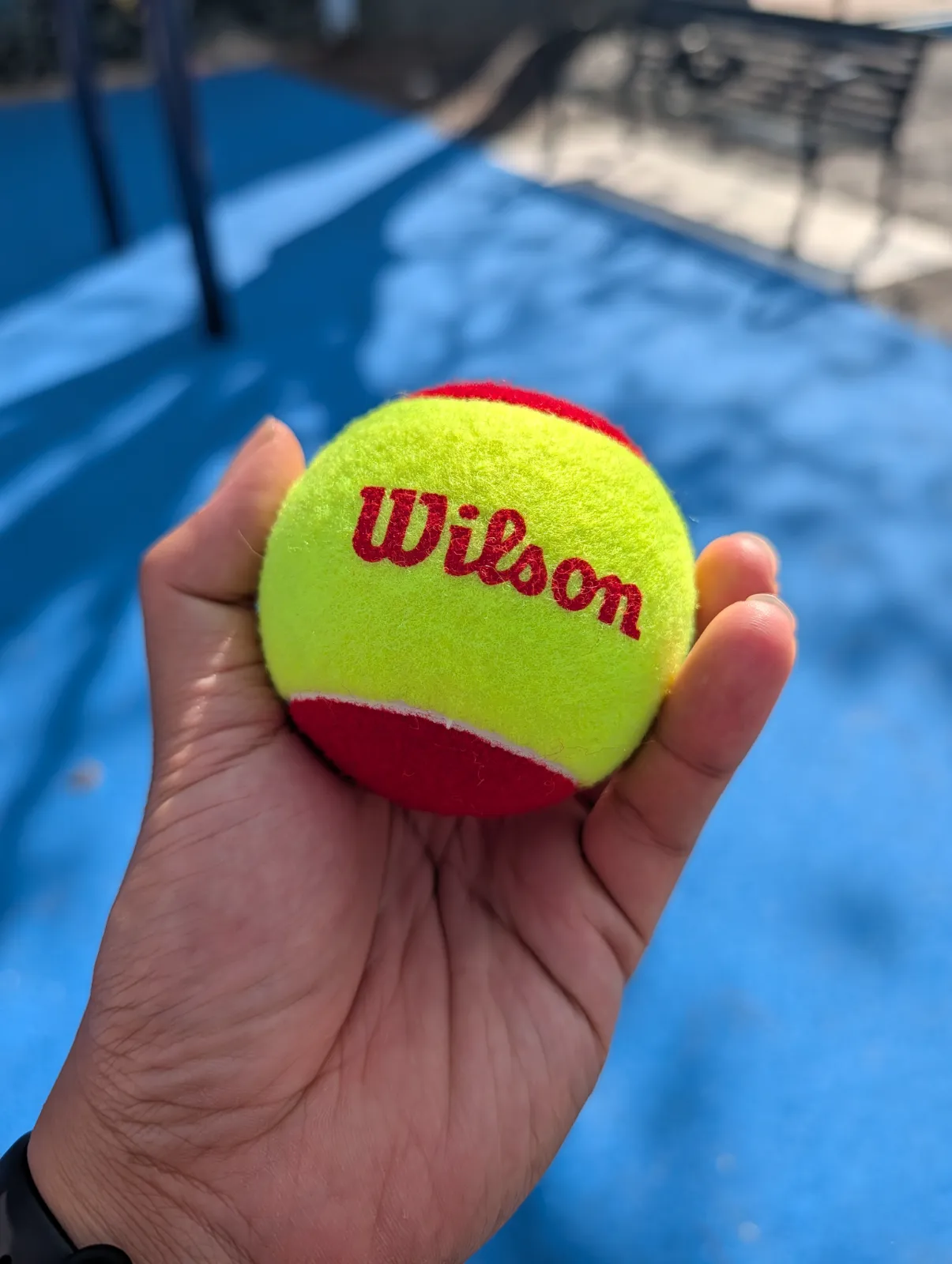
Wilson US Open Red Tennis Balls (3-Pack)
The same balls they use at Charlotte's camp. More weighted and less likely to fly over the fence — perfect for beginners.
$3.99
Shop NowSupplement Camp with Wall Time
Here's something we started doing that we'd recommend to any tennis camp parent: after camp, take your kid to hit against a wall.
Camps spend a lot of time on fundamentals and drills, which is important but can be slow. The fun part, actually hitting the ball and feeling it connect, takes a while to get to in a group setting. So after sessions, Brandon will take Charlotte to a wall and they'll work on basic forehand swings, movement, and just rallying back and forth. It supplements what she's learning at camp and keeps the excitement alive between sessions. When she starts getting more control over her hits, her face lights up. That's the hook.
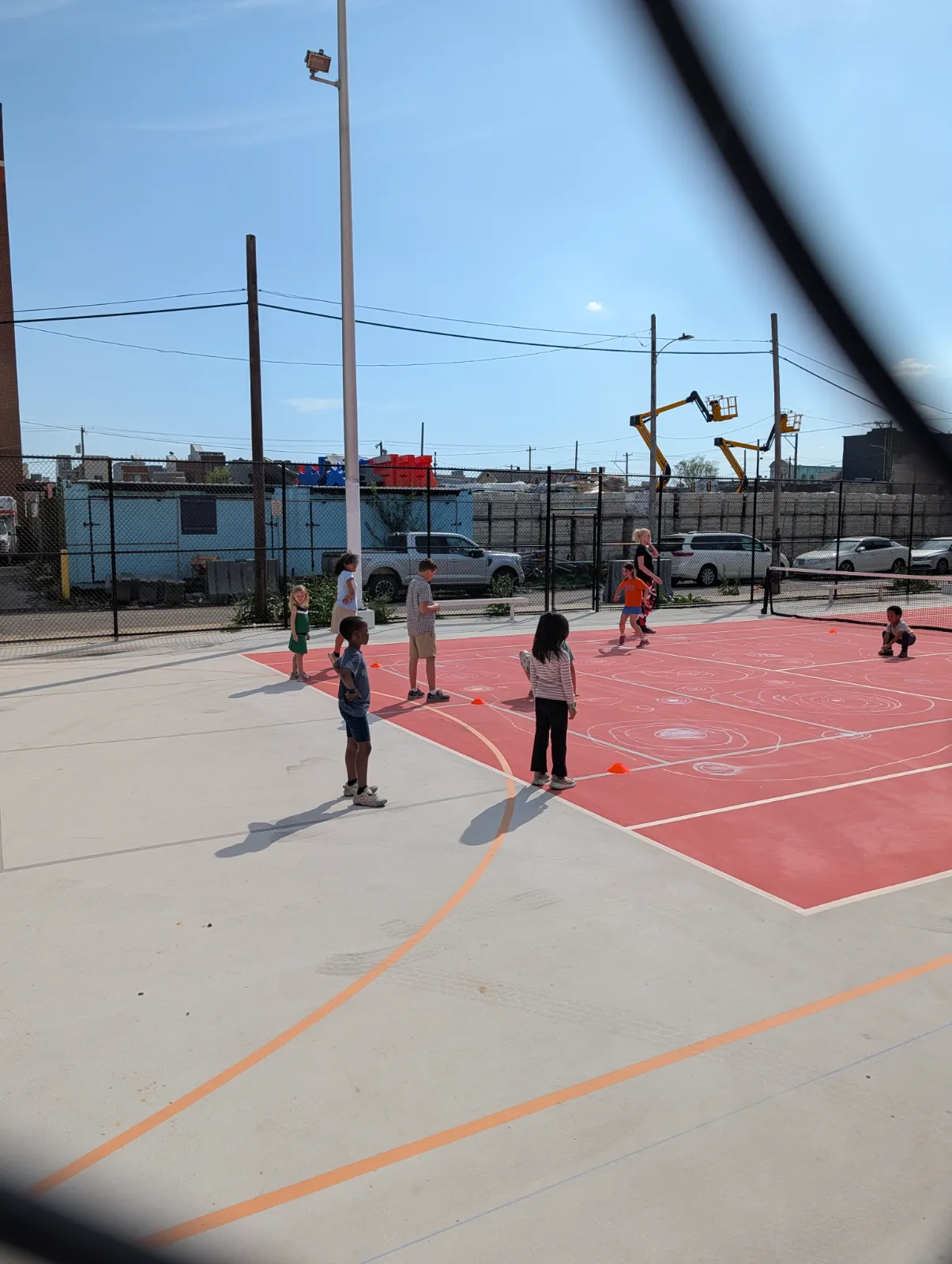
Lower Your Expectations (Seriously)
Will your 6-year-old become Serena Williams after a month of tennis camp? Absolutely not. Some kids take to it naturally, some need more time, and some just want to whack the ball and call it a day. Tennis is hard. It's a highly athletic sport, and most kids at this age have zero experience with racket sports. The coordination required to track a ball, position your feet, swing properly, and aim, all at the same time, is a lot to ask of a first-grader.
But here's why 6 is actually the perfect age to start: they're old enough to understand instructions, follow rules, and practice patience. They can grasp the process of the game. Why footwork matters, why there are lines on the court, how to position themselves. Those concepts are taught through games and drills that feel fun at this age, and they become the foundation for everything that comes later.
And honestly? Maybe it's not even about getting good at tennis right now. It's about getting them outside, socializing with other kids in the community, and building familiarity with a sport they can play for the rest of their lives. The tennis camps draw families from all over the city. People travel specifically for the community-driven ones because they're so few and far between. That community aspect is worth just as much as the tennis itself.
What About 5-Year-Olds?
Most camps we've seen start enrollment at 5, and the ones Charlotte attended start at 6. Could a 5-year-old do it? Probably, but at that age they're mostly going to be running around, playing, and absorbing the vibe of tennis rather than developing real hand-eye coordination skills. They'll have fun. They probably won't retain technique. That's fine. Exposure matters at that age, and if they come out of it wanting to play, that's a win.
If your kid is a prodigy, disregard everything we just said.
The Summer Camp Upgrade
Friends of ours who've had their kids in tennis camp practically every summer (their oldest is now entering high school) are adamant: do a full summer tennis camp if you have the time. These are the ones that run 9 AM to 3 PM, sometimes for 2 months straight, with consistent coaching and daily repetition. Their kids came out of those camps legitimately good at the sport and genuinely passionate about it.
There's reportedly an excellent program near the UPenn area that runs all summer and has a strong reputation. We haven't tried it yet, but it's on our list. The mid-school-year camps we're doing now are great for exposure, but the lack of daily consistency limits how much the kids can really progress. A summer program solves that.
At the very high end, camps run by brands like Wilson go for about $600 per week and feature coaches who've played professionally. That's a stretch for most families (including ours), but it shows the full spectrum of what's out there. Our approach right now is to test and see if Charlotte stays interested, and she seems to be, then look at a more intensive summer option if the passion sticks.
Charlotte's friends, on the other hand, find tennis camp kind of boring. There's a lot of work involved before you can actually play: learning the rules, understanding why the lines are there, controlling the ball, moving your feet side to side. Camps mask a lot of this in game form, but that's still not fun enough for every kid. Some kids just want to hit the ball as hard as they can and don't want to worry about rolling it gently to a partner. That's totally valid, but it's worth knowing before you sign up.
What to Bring
Tennis camp is usually outdoors on courts with zero shade. We've been out there in 85-degree weather, pure sun, no clouds. Come prepared.
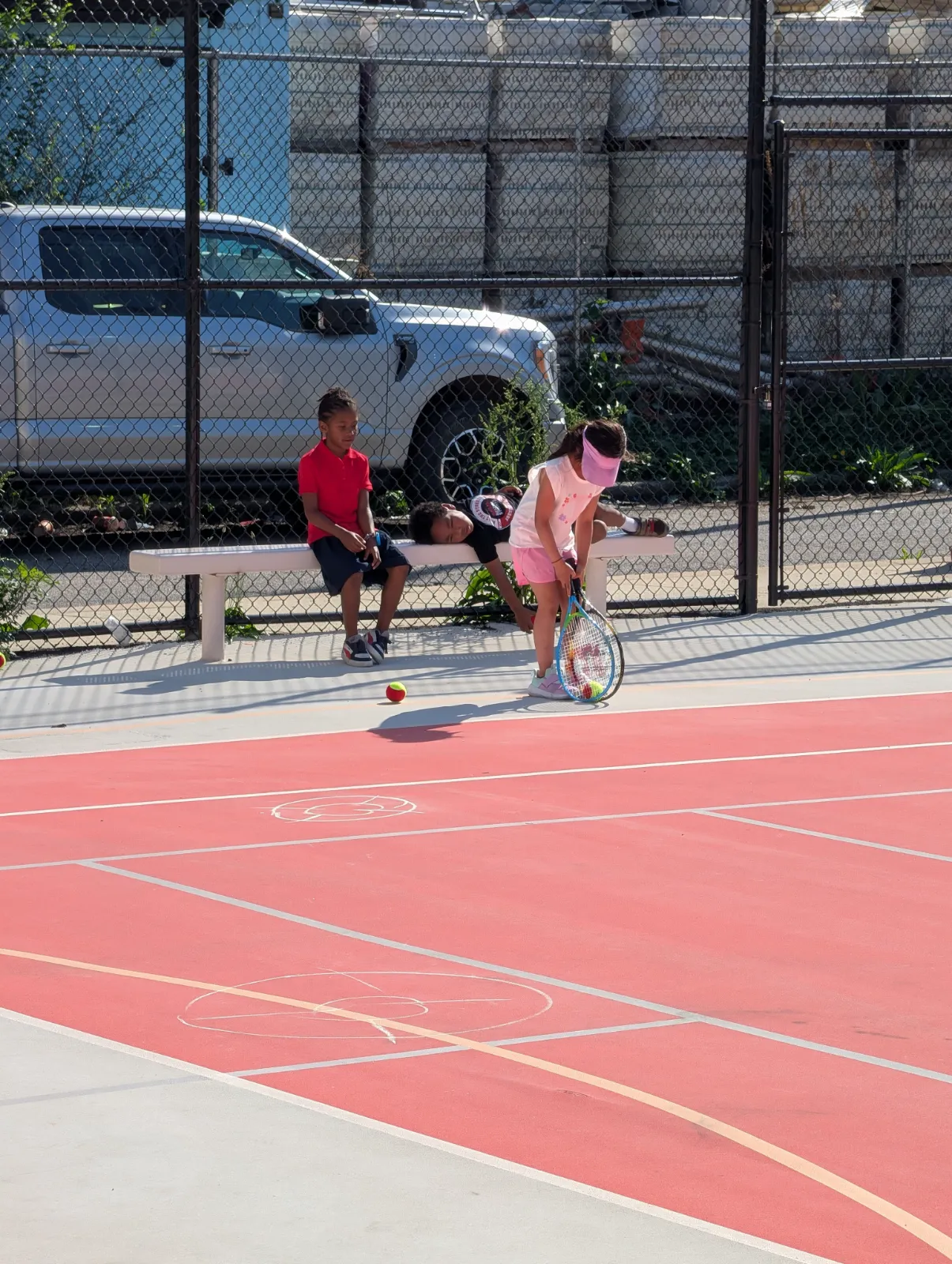
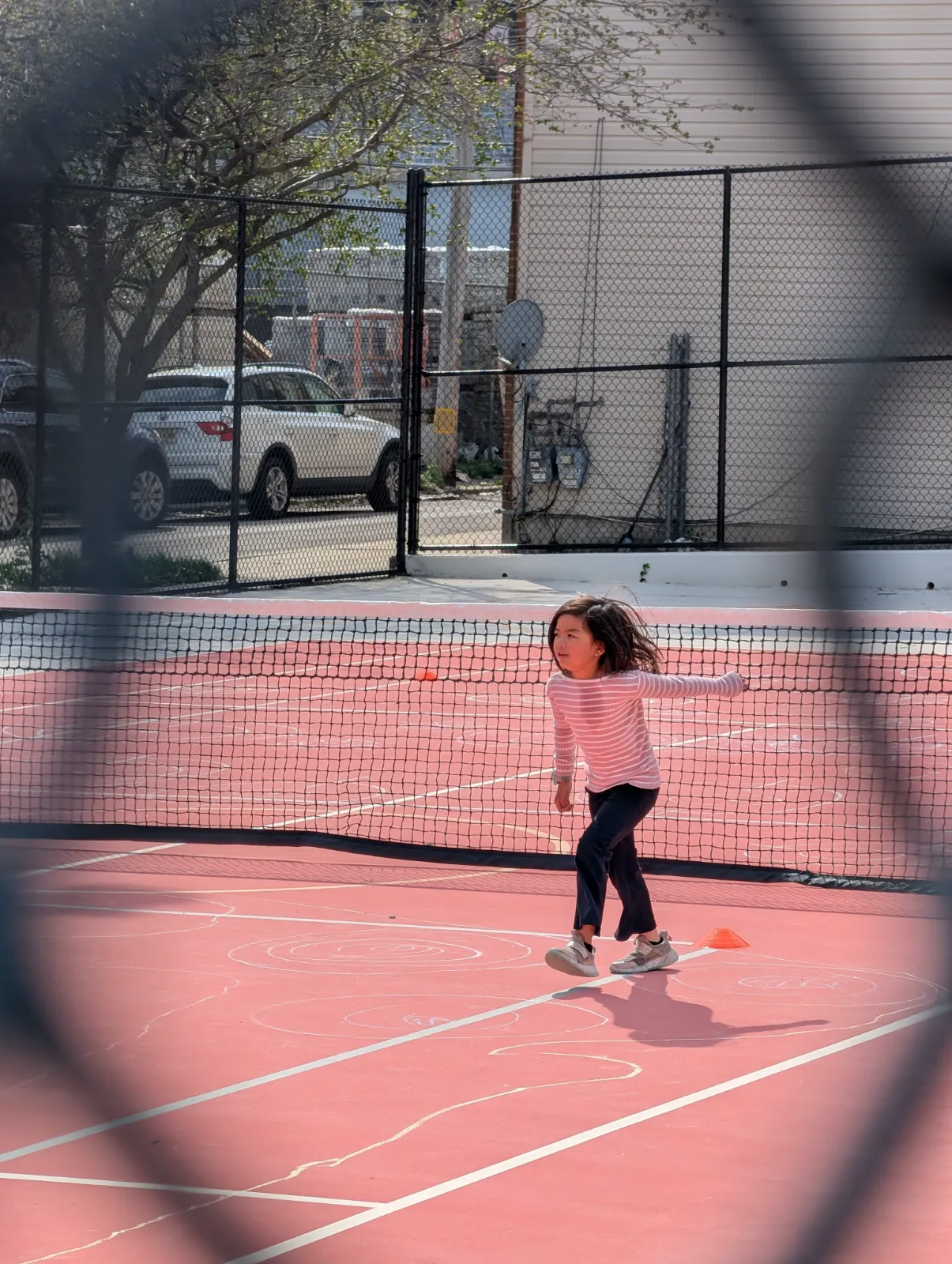
A sun visor is better than a full hat for tennis because it keeps the sun off their face while letting heat escape from the top. We use the Trodalo kids visor. It's stretchy, breathable, covers their face well, and fits a wide age range. Charlotte wears it at camp and it stretches enough to fit Parker (who's 1) too.
Trodalo Kids Sun Visor Hat
Lightweight, stretchy, breathable — covers the face without trapping heat. Fits kids and toddlers.
$13.49
Shop NowFor clothes, breathable athletic wear is key. We learned this the hard way. Charlotte started camp going straight from school in her uniform, and as the weather got hotter she started complaining about how uncomfortable it was. Once we switched to proper athletic clothes, it made a real difference. We like Target's All in Motion line for the fit and build quality, but Amazon has solid alternatives that are cheaper, like these tennis skirts that are breathable, sweat-wicking, and have built-in shorts.
Girls Athletic Tennis Skirts with Shorts (3-Pack)
Breathable, sweat-wicking tennis skirts with built-in shorts. Great affordable alternative to the Target All in Motion line.
$19.99
Shop NowAnd sunscreen. Non-negotiable. Courts have no shade. We use Banana Boat Sport Kids SPF 50. It's affordable, hypoallergenic, holds up through sweat, and gets recommended constantly by other parents and review sites. Apply before camp and send it along for reapplication.
Banana Boat Sport Kids Sunscreen Spray SPF 50 (Twin Pack)
Affordable, hypoallergenic, sweat-resistant. A safe choice recommended by other parents and trusted reviewers.
$13.86
Shop Now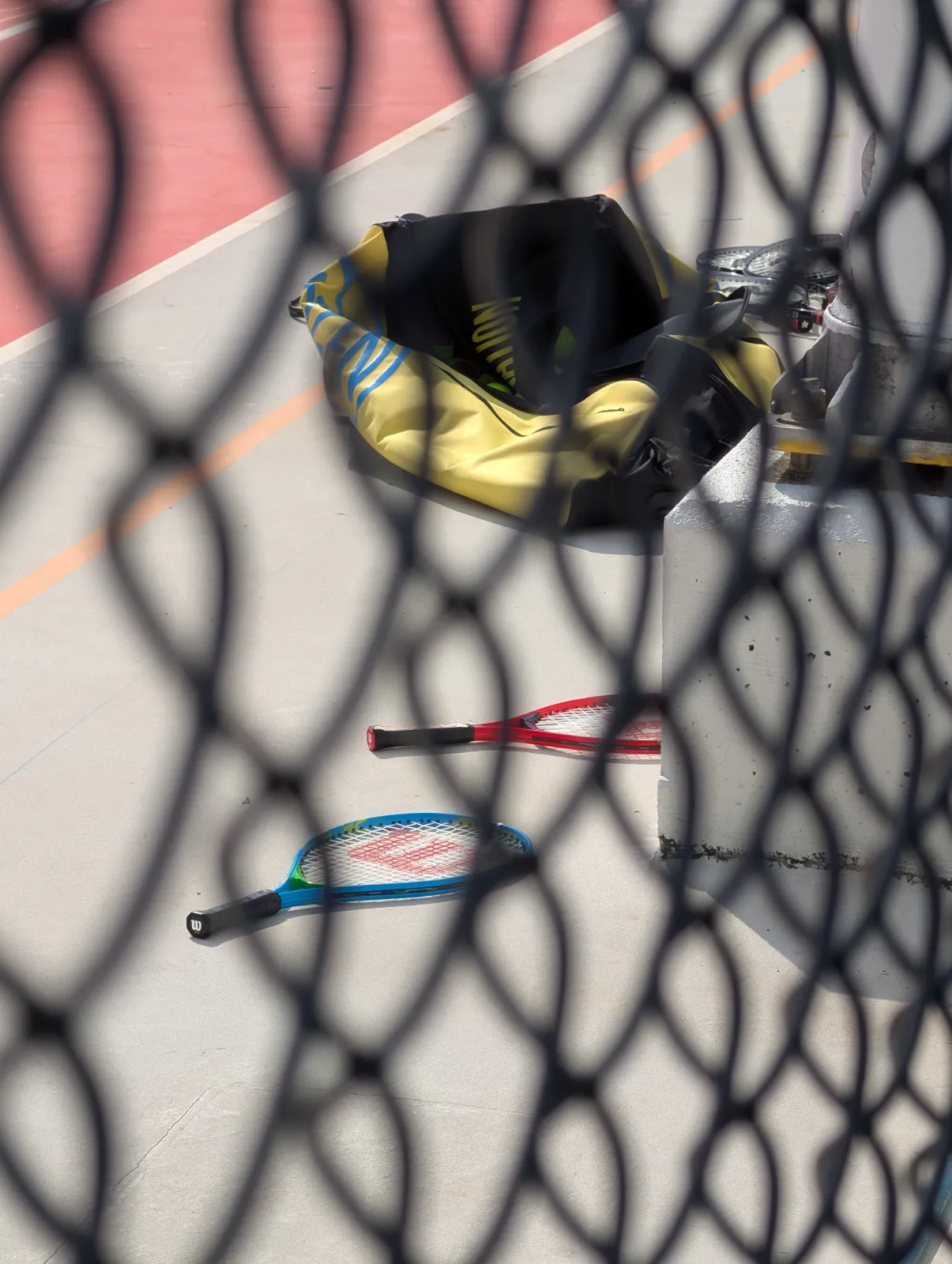
Pro Tips If You Go
Instructor quality and camp structure matter way more than price. A well-organized free camp can be better than a paid one.
Loaner rackets are usually adult-sized donations. A $25 junior racket is worth the investment for proper technique.
4 to 8 weeks, under $100. Get a feel for whether your kid likes it before committing to a summer-long program.
Hitting against a wall after sessions keeps the fun alive and builds control faster than group drills alone.
Visor, sunscreen, water. Courts have zero shade and it gets hot fast.
Your kid won't come out serving or rallying. They will come out understanding footwork, rules, and court positioning — and that matters more at this stage.
The best programs spread by word of mouth. Parents whose kids have been playing for years know which camps produce results.
Skipping the red-to-orange-to-green transition can simplify things, though red balls are totally fine for beginners.
“Tennis is a sport you can play for the rest of your life. At 6, you're not teaching them to win. You're teaching them to want to play again tomorrow.”
The Verdict
Is 6 too young for tennis camp? Not at all. It might actually be the sweet spot.
At 6, Charlotte can understand patience, follow multi-step instructions, and start to grasp the why behind the drills. She's not going to come out of a 4-week camp with a polished forehand, but she knows the rules, she's building footwork fundamentals, she understands court positioning, and most importantly, she wants to keep playing. All of those things become foundational if she continues.
The reality is that tennis is an advanced sport that takes time and consistent practice to get good at. A spring camp is exposure. A summer camp is where real progress happens. And wall time with a parent is what bridges the gap. We're treating this season as a test run, and so far, Charlotte is passing.
We had a similar experience managing expectations at the Flower Show, but tennis camp has one advantage: the kids are actually doing something the entire time. There's no 'please don't touch that' energy. It's all movement, all engagement, all participation. Even when it's frustrating, they're in it.
Go if: Your kid is 5-6+, shows any interest in sports or racket play, and you can find an affordable community camp to test the waters. Especially great if you play tennis and want a future hitting partner.
Skip if: Your kid has zero patience for drills and only wants unstructured play, or you're expecting them to learn how to actually play matches in a few weeks.
Our recommendation: Start with a low-cost community camp (4-8 weeks, under $100) to gauge interest. If they love it, look into a full summer program for real progression. Buy them their own junior racket. It's a small investment that makes a noticeable difference.
Best hack: After every camp session, spend 15-20 minutes hitting against a wall together. That's where the real bonding (and learning) happens.
TinyJawns Take
⭐⭐⭐⭐ out of 5. A solid intro to tennis for young kids, especially at the price point. Minus one star because the experience is highly dependent on the quality of instruction and the other kids in the class. A disorganized camp can sour the whole thing. But at $25 for a month (or free for community programs), the risk is practically zero. Get them out there.
Charlotte is into it. Her friends... less so. And that's fine. Not every kid is going to fall in love with tennis at 6. But the ones who do are building something that'll stick with them for a long time.
We'd love to hear how it went. Tag us @tiny.jawn on Instagram!
TinyJawns is your guide to doing stuff with kids in Philly. The real version, not the brochure version. Want more honest reviews like this? Subscribe to the newsletter.
Affiliate Disclosure: Some of the links in this post are affiliate links, meaning TinyJawns may earn a commission if you click through and make a purchase. This comes at no additional cost to you. We only recommend products and services we genuinely believe in. Thank you for supporting TinyJawns!